
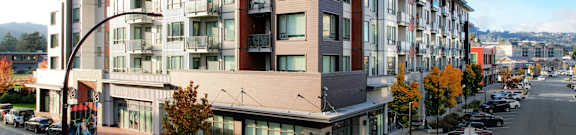

Across Canada, people have more choice than ever when it comes to cities that offer opportunity and quality of life. Edmonton offers a balance of attainable housing, career opportunities, reliable amenities, and room to build a comfortable routine without stretching every dollar. If you’re also exploring apartments in Edmonton, the city often stands out as a practical option that still delivers plenty of energy, culture, and community connection.
Whether you’re relocating for work, post-secondary studies, or simply a change of pace, Edmonton has a grounded, welcoming feel that appeals to a wide range of residents. From walkable central neighbourhoods to quieter suburban communities near parks and schools, the city offers flexibility for different lifestyles and budgets.
Affordable Living Without Compromise
One of Edmonton’s biggest advantages is affordability. Compared to cities like Toronto and Vancouver, renters can often find more square footage, newer finishes, and additional amenities for a lower cost.
The average rent in Edmonton still allows many renters to access larger suites, underground parking, and newer buildings at a noticeably lower monthly cost than Canada’s biggest metropolitan areas.
That affordability extends beyond housing. Parking is generally more accessible and less expensive than in denser urban cores elsewhere in the country. Dining out also feels approachable for everyday life rather than an occasional luxury. Areas like Whyte Avenue offer independent cafés, brunch spots, breweries, and live music venues without the steep prices associated with larger entertainment districts in Toronto or Vancouver.
The Ice District has also added a more modern downtown energy to the city, bringing restaurants, events, and nightlife together in one central location. Meanwhile, South Edmonton Common continues to attract residents who appreciate convenient retail access for errands, groceries, and household shopping.
Utilities can vary depending on the building and season, though many renters find overall monthly expenses easier to manage compared to other major cities. Combined with lower commuting costs and more attainable housing, the overall cost of living in Edmonton often appeals to professionals and families looking for value without giving up convenience.
Getting Around the City
Edmonton’s layout gives residents a few different ways to approach daily commuting. Some neighbourhoods are highly transit-oriented, while others are better suited for drivers who want quick roadway access and additional residential space.
The Edmonton Transit Service network connects many major areas through buses and the expanding Edmonton LRT system. Downtown, the University of Alberta, MacEwan University, and south Edmonton are all increasingly linked through rail transit, which has made commuting more manageable for students and office workers alike.
For those who prefer suburban living, south Edmonton communities near Ellerslie, Summerside, and Heritage Valley offer easier vehicle access and family-oriented surroundings. Major routes including Anthony Henday Drive, Whitemud Drive, and Calgary Trail help connect residents across the city relatively efficiently.
Local insight: Anthony Henday Drive can slow down during peak commuting hours, but many drivers still find Edmonton traffic far more manageable than the congestion common in larger Canadian cities.
Career Growth and Educational Opportunities
- Edmonton has long been known for energy and government employment, though the local economy has diversified significantly over the years. Healthcare, technology, education, skilled trades, logistics, and public administration all play major roles in the city’s workforce today.
Downtown Edmonton continues to function as a major employment hub, particularly for professionals working in finance, government services, engineering, and consulting. Office towers, public institutions, and nearby commercial developments support a steady flow of professional activity throughout the core.
South Edmonton has also seen considerable business growth, especially around commercial corridors and industrial areas that support logistics, retail operations, and construction-related industries.
Many newcomers searching for jobs in Edmonton find opportunities across healthcare sectors, education networks, construction trades, public administration, and growing tech companies, even without an established local network.
- Education also plays a major role in Edmonton’s appeal. The University of Alberta remains one of Canada’s leading research institutions, drawing students from across the country and internationally. MacEwan University contributes a more urban campus environment in the downtown core, while NAIT provides highly respected technical and trades programming.
Neighbourhoods like Garneau, Queen Alexandra, and McKernan remain especially popular with university students because of their transit access, walkability, and proximity to campus life.
Outdoor Living Through Every Season
Edmonton’s outdoor culture often surprises newcomers. The city embraces all four seasons, and residents tend to make the most of both summer sunshine and winter recreation.
Edmonton’s River Valley system is central to daily life for many residents. Stretching through the city with interconnected parks and trails, it creates opportunities for cycling, jogging, hiking, and scenic walks without needing to leave the urban area.
Parks such as Hawrelak and Rundle help weave green space into both urban and suburban communities. Even many residential neighbourhoods further from downtown include playgrounds, sports fields, ponds, and trail systems that encourage outdoor activity year-round.
Winter naturally changes the rhythm of the city, though Edmonton residents tend to lean into the season rather than retreat from it. Outdoor skating trails, community rink culture, and seasonal festivals help maintain a lively atmosphere through colder months.
The city’s festival scene also contributes to its strong community identity. Summer brings events like the Edmonton Folk Music Festival and Taste of Edmonton, while winter celebrations continue drawing residents outdoors despite the snow.
Why Edmonton Continues to Attract Renters
There are plenty of reasons why people continue moving to Edmonton for work, school, and lifestyle changes. The city offers a combination of affordability, career potential, educational opportunities, and outdoor access that can feel increasingly rare in major Canadian markets.
At the same time, living in Edmonton doesn’t require sacrificing entertainment, dining, transit connectivity, or cultural experiences. Neighbourhoods throughout the city provide different ways to shape daily life, whether that means a walkable downtown routine, quick university access, or a quieter suburban setting near parks and schools.
For many renters asking whether Edmonton is a good place to live, the answer often comes down to balance: more attainable housing, manageable commuting, strong career options, and access to nature without leaving the city behind.
If you’re ready to begin your journey here, our communities are a great place to start—and we’re here to help you find your place!